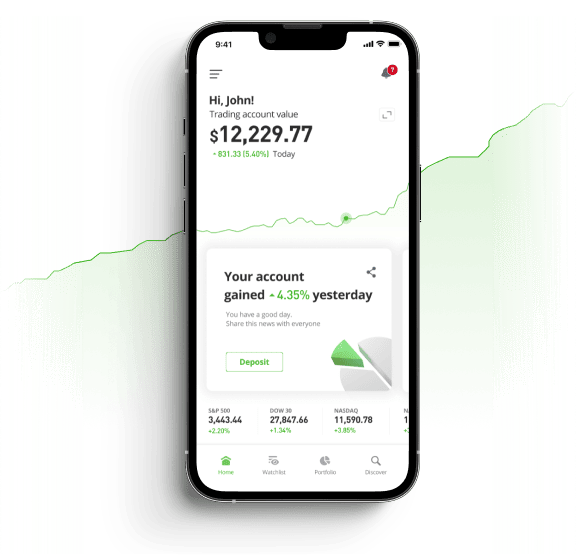


Learn to invest
Enhance your financial skills with eToro Academy’s free courses, podcasts, and webinars for all levels.

NEW TOINVESTING?
If you’re ready to get started in the financial markets but not sure how, this course is for you


From beginnerto investor
Learn live online from the experts & be on your way to better investing. Not just another investing course!


BUILDING YOURPORTFOLIO
Complete this course to learn how to build a diversified investment portfolio.


Improve Your Trading
Take this course to enhance your trading with additional advanced trading strategies.
The knowledge to invest, all in one place
The eToro Academy is your one-stop resource to empower yourself with the knowledge you need to master the markets. Start your journey to better investing by exploring the topics below:



Essentials
Show All >Why should you consider investing?
Investment Terms You Need to Know
What Is CFD Trading and How Does It Work?
How To Set Up Stop-Loss & Take-Profit Orders
How to Build Your Portfolio
Most Popular
Show All >What Is CFD Trading and How Does It Work?
Top Dividend Stocks for 2026
How to buy Bitcoin for the First Time
Top Cryptoassets to Watch in 2026
What Is Leverage and Margin?
Keep growing as an investor
Join our global community of investors to view other traders’ portfolios, discuss strategies and access their collective expertise. Then practise what you learn with a free $100,000 virtual portfolio.