


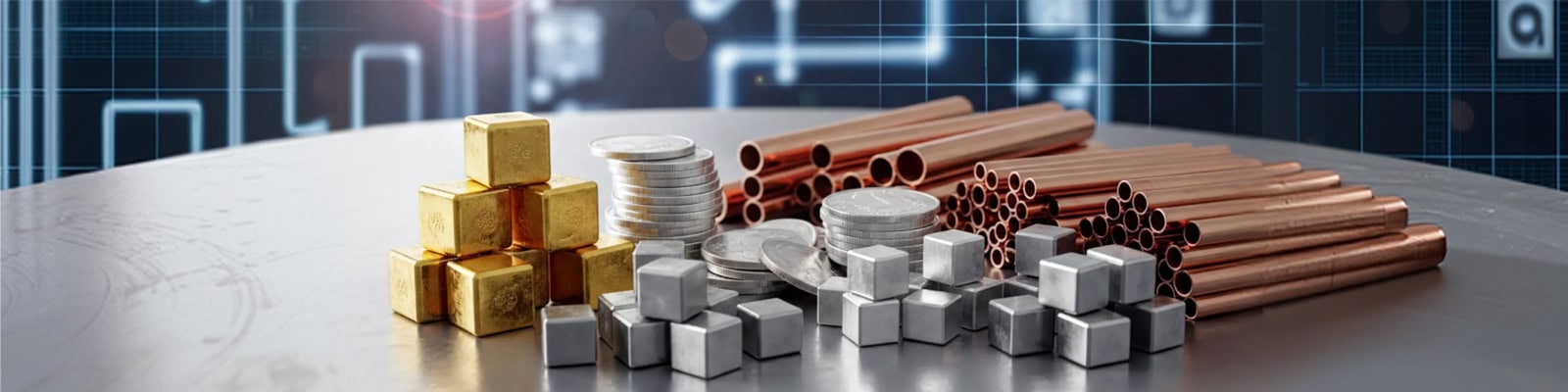

If 2025 taught markets anything, it is that nothing stays quiet for long. We went through a year shaped by sticky inflation, shifting rate expectations, geopolitical tensions, and a lot of debate around global growth. Equities had their moments, crypto reminded everyone not to get complacent, and traditional assets like bonds struggled to offer a clear direction. Through all of that noise, metals continued doing what they do best: protecting value in uncertain times and powering industries that keep moving forward.
This combination of store of value plus real-world demand is why metals are still on the radar for 2026 for many investors. Prices will not move in a straight line, of course, but the underlying drivers look potentially solid. Inflation pressures remain a theme, geopolitics are not calming down, investment demand looks steady, and industrial usage continues to expand in electronics, EVs, and renewable energy. Metals also behave differently from equities and crypto, which gives them the potential to diversify a portfolio.
Here are five metals worth watching as we head into 2026.
1. Gold: moved from strength to strength in 2025
Gold has not lost its reputation. If anything, 2025 strengthened it. Central banks continued adding to reserves as a hedge against currency risk, and retail investors leaned more heavily on gold during inflation spikes. Going into 2026, geopolitical risk is still present, inflation has not disappeared, and institutional demand remains strong. Gold is not about short term excitement. Its value tends to show up over time.
Ready to add some stability to your portfolio? Register now on eToro and explore gold.
2. Silver: diversification with industrial momentum
Silver often moves with gold, although it has stronger industrial exposure, especially in solar panels and electronics. As clean energy investment continues and manufacturing picks up in different regions, silver could benefit from tighter supply and demand. Silver is historically more volatile than gold, which means potential opportunities if you follow trends rather than headlines.
3. Platinum: recovery potential after a quiet period
Platinum has most definitely not been the market favourite lately, partly because automotive demand has shifted and supply narratives became complicated.
That is also what keeps valuation interesting. Fuel cell technology and hydrogen applications may support platinum in the longer term. If you are looking beyond the usual gold and silver conversation, platinum deserves some attention in 2026.
Interested in exploring platinum’s potential upside?
4. Copper: the industrial backbone of modern growth
Copper remains strongly linked to global growth and electrification. Even with mixed economic signals in 2025, demand for EVs, data centers, and renewable infrastructure continues to increase. Copper shortages are not guaranteed, but new supply takes many years to develop, while demand builds gradually. The electrification theme remains intact.
Want to ride the electrification wave?
5. Palladium: limited supply and niche industrial demand
Palladium has seen a volatile 2025, although its industrial role in emission control still remains relevant. Supply is concentrated, so geopolitical developments can influence pricing quickly. This metal does not need to be a core holding for everyone, but for investors who understand commodity volatility, palladium offers exposure to a specialised and less correlated market.
Want to diversify with palladium? Explore this niche precious metal today.
Final thoughts
2026 will not be free from uncertainty (is there ever a year that is?). Metals exist for exactly those kinds of environments. Whether you focus on store of value assets such as gold or industrial metals like copper and silver or niche options such as platinum and palladium, metals can help balance a portfolio that may be exposed to equities, crypto, or geopolitical swings.
Start exploring metals on eToro and see which assets fit your strategy.
CFDs are complex instruments and come with a high risk of losing money rapidly due to leverage.
Forecasts are not a reliable indicator of future performance.